Eight Symbols, Zero Panic: A Taipei Menu-Reading Shortcut for Hungry Travelers
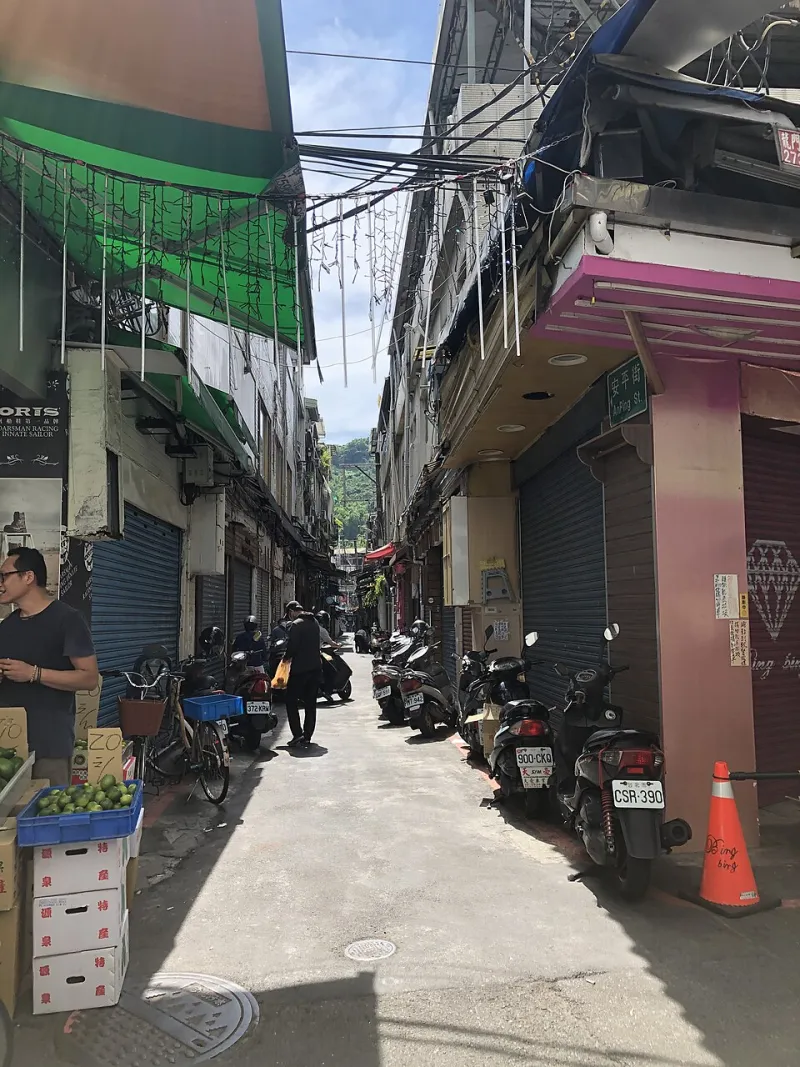
Photo: Kiyoteru Awaji, CC BY 4.0, via Wikimedia Commons
Taipei is one of the easiest cities in Asia to eat in as an English speaker—until you step away from the hotel breakfast buffet and into a neighborhood noodle shop where the menu is a single laminated sheet of Chinese characters. That moment can feel like a pop quiz. The good news: you do not need a language class to get lunch. You need eight characters, a finger, and one short phrase.
This is not a Mandarin lesson. Think of it as a menu decoder for hungry travelers. Learn the shapes below, notice them on signs and ordering screens, and use the simple scripts to confirm what you are pointing at. Tones can wait. Lunch cannot.
The two-second ordering script
Start with this: 這個,一份 (zhège, yī fèn)—literally 'this one, one portion.' Say it while pointing at the dish, photo, or character on the menu. For soup or noodles, 這個,一碗 (zhège, yī wǎn)—'this one, one bowl'—is even better.
If the stall has a touchscreen, tap the photo, choose the size if prompted, and pay. If it is a handwritten sign, point at the characters and use the script. A smile and a nod do the rest. Keep a translation app handy for allergies, but do not let it run the whole meal.
牛 (niú) — beef
Pronunciation shortcut: 'nyoh,' close to the start of 'nyo' in 'canyon.'
This one looks a bit like a cow with horns if you squint. In Taipei, it usually means beef, and the most famous pairing is 牛肉麵 (niúròu miàn), beef noodle soup. You will see it on shop signs, in window decals, and on menus all over town. Point at 牛肉麵 and say 這個,一碗 for one bowl. If you see 牛 alone on a grill menu, it is still beef—just ask for one portion with 這個,一份.
豬 / 猪 (zhū) — pork
Pronunciation shortcut: 'joo,' like the start of 'judo.'
Taipei uses the traditional form 豬 most of the time; the simplified 猪 shows up too. Pork is everywhere, and the character is your shortcut to one of Taiwan's most beloved comfort foods: 滷肉飯 (lǔ ròu fàn), braised pork rice. You will also see 豬排 (pork chop) and 豬肉 (pork). Point at the dish, say 這個,一份, and you have ordered a small, perfect bowl of rice with savory pork sauce.
雞 / 鸡 (jī) — chicken
Pronunciation shortcut: 'jee,' like the start of 'jeep.'
Chicken is a menu workhorse. Look for 雞肉飯 (jīròu fàn), shredded chicken rice, often drizzled with a little sauce and served with pickles. At night markets, 鹽酥雞 (yánsū jī)—Taiwanese fried chicken—is the move. The character appears on paper menus, hanging signs, and touchscreen buttons. Point and use 這個,一份. If you want a bowl of chicken soup instead, point at 雞湯 and switch to 一碗.
辣 (là) — spicy
Pronunciation shortcut: 'lah,' like the first syllable of 'lava.'
This is the character that saves you from a surprise. 辣 means spicy, and you will see it attached to hot pot, noodles, fried chicken, and sauces. 麻辣鍋 (málà guō) is spicy hot pot; 辣味 means spicy flavor. If you want none of it, say 不要辣 (bù yào là)—'no spicy.' If you want to confirm before committing, point at the character and ask 這個辣嗎? (zhège là ma?)—'is this spicy?' For the brave, point at the dish and say 這個,一份.
素 (sù) — vegetarian
Pronunciation shortcut: 'soo,' like the start of 'soup.'
This is the high-impact character for plant-based eaters. 素 signals vegetarian food, and Taipei has a deep culture of vegetarian buffets, temple-adjacent shops, and Buddhist restaurants. You will see 素食 (sùshí), meaning vegetarian food, on signs. At a buffet, point at the trays and say 這個,一份; at a menu, point at 素 and ask 這個素嗎? (zhège sù ma?)—'is this vegetarian?' It is not a guarantee about shared fryers or broth, but it gets you talking in the right direction.
飯 / 饭 (fàn) — rice
Pronunciation shortcut: 'fahn,' like the start of 'fawn.'
Rice dishes are your safety net. 炒飯 (chǎofàn) is fried rice; 滷肉飯 is braised pork rice; 雞肉飯 is chicken rice. The character often appears as the last part of a dish name, telling you it comes over rice. If you see 飯 on a menu board, you are looking at a plate or bowl of food, not a noodle soup. Point at the full dish name and say 這個,一份. At a quick lunch counter, that is often all you need.
麵 / 面 (miàn) — noodles
Pronunciation shortcut: 'myen,' said quickly as one syllable.
Taipei uses 麵 for wheat noodles; the simplified form is 面. You will see it in 牛肉麵 (beef noodle soup), 乾麵 (gān miàn, dry noodles), and countless shop names. If a menu has both 飯 and 麵 sections, this is the character that sends you toward noodles. Point at the dish and say 這個,一碗 for a bowl. If you are at a dry-noodle stall and want soup on the side, point at 湯 too—see below.
湯 / 汤 (tāng) — soup
Pronunciation shortcut: 'tahng,' with a broad 'a.'
Soup is the character that rounds out a meal. 酸辣湯 (suānlà tāng) is hot and sour soup; 貢丸湯 (gòngwán tāng) is pork ball soup. You will see 湯 on menus next to noodle dishes and rice plates, often in a separate column. Point at the soup name and say 這個,一碗. If you are already ordering noodles, you can point at both and hold up one finger—most servers will understand that you want one of each.
Putting the eight together
Here is how it works in practice. You walk into a small shop near a Taipei MRT exit and see 牛肉麵 on the wall. You want beef noodles, but you are not sure about the spice level. You point at the characters and ask 這個辣嗎? The server shakes their head or nods. You say 這個,一碗. If you also see 湯 and want a small soup, you point and say 這個,一碗 again. If you are vegetarian, you scan for 素 first, then point and confirm with 這個素嗎?
None of this requires perfect pronunciation. The characters do the heavy lifting; your finger and a friendly tone finish the job. English menus are common in tourist-heavy areas, but the best meals often come from stalls that never bothered to translate. With these eight symbols, you can walk past the picture menu and order what the locals are eating.
One last tip: keep the script short. 這個,一份 and 這個,一碗 cover most counters, and 不要辣 handles the rest. Learn the shapes, not the tones. Taipei's food is too good to miss because of a menu you cannot read.