Dial It In: A Taipei Bubble Tea Primer for Travelers Who Don't Want Dessert in a Cup
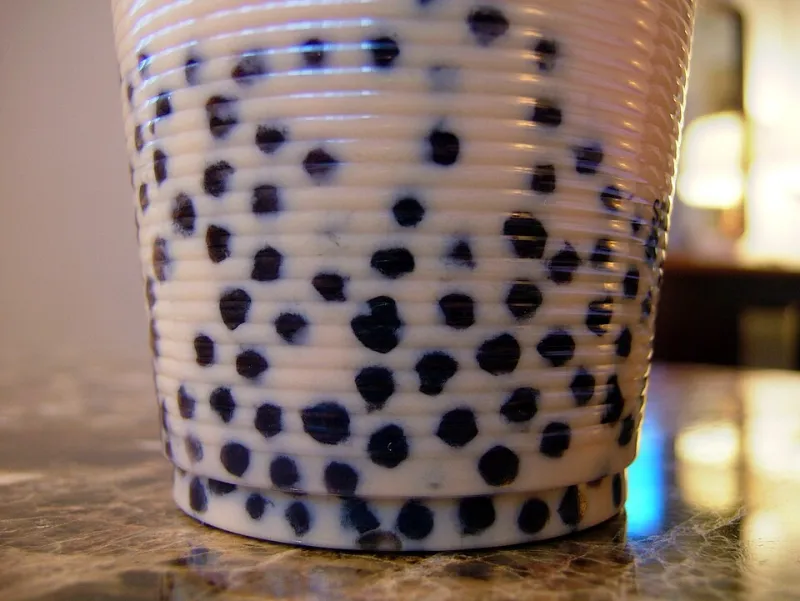
Photo: Toby Oxborrow, CC BY-SA 2.0, via Wikimedia Commons
Bubble tea is not a novelty in Taipei. It is a daily ritual, a after-lunch habit, and a perfectly acceptable reason to stand on a sidewalk for ten minutes. But the menu can feel like a pop quiz: sweetness levels, ice levels, sizes, toppings, and a default setting that may not mean what you think it means.
The good news is that you do not need to speak Mandarin to get a drink you actually like. You just need to understand the dials. Treat the order as a conversation, not a test, and Taipei will reward you with something better than the syrupy souvenir version you may have had at home.
First, decide what you're actually ordering
In Taipei, the broad category is 珍珠奶茶 (zhēnzhū nǎichá), often shortened to 珍奶. 'Boba' usually refers to the tapioca pearls, not the drink itself. A milk tea can be built on black tea, green tea, or oolong. A fruit tea is a different animal entirely. And a traditional tea shop may not sell pearls at all — it may just sell very good tea.
That matters because your first decision is not 'what topping?' It is 'what base?' If you want to taste the tea, order 紅茶 (hóngchá, black tea) or 烏龍 (wūlóng, oolong). If you want something closer to dessert, order milk tea with pearls. If you are hot and thirsty and not hungry, a fruit tea or a plain iced tea is the move.
The sweetness dial is not calibrated to the US
Here is the part that surprises a lot of American travelers: 'normal sugar' in Taipei is often 100% sugar syrup, and it can taste sweeter than a sweet tea from home. Many locals order 半糖 (bàn táng, half sugar) or 微糖 (wēi táng, low sugar) without thinking twice. The default is not a mild American default. It is a full-throttle setting.
A rough translation of the dial:
- 全糖 (quán táng): full sugar, often 100%
- 少糖 (shǎo táng): less sugar, often around 70%
- 半糖 (bàn táng): half sugar, often 50%
- 微糖 (wēi táng): low sugar, often around 30%
- 無糖 (wú táng): no sugar
Some shops use 三分糖, 五分糖, or 七分糖 instead. Menus vary, so the exact percentage is less important than the direction. If you usually drink unsweetened iced tea at home, start at 無糖 or 微糖. If you like sweet tea, try 半糖. If you want the full American dessert experience, order 全糖 once — but maybe get a small size first.
A useful phrase: 甜度可以選嗎? (Tián dù kěyǐ xuǎn ma?) — 'Can I choose the sweetness?' The answer is almost always yes.
Ice is a texture decision, not just a temperature
Ice levels confuse people because they change more than coldness. More ice means more melting, which dilutes the drink over time. Less ice means more tea in the cup, so the flavor can taste stronger and the sweetness can feel more concentrated. No ice can be intensely flavored — and if you drink slowly on a warm day, it can also get warm.
The common settings:
- 正常冰 (zhèngcháng bīng): regular ice
- 少冰 (shǎo bīng): less ice
- 微冰 (wēi bīng): little ice
- 去冰 (qù bīng): no ice
If you are walking around and want the drink to stay cold, regular ice is fine. If you are sitting down and want maximum tea flavor, try 少冰. If you hate watery drinks, 去冰 is your friend — just drink it sooner rather than later.
Sizes and toppings: keep the first order simple
Sizes are usually 中杯 (medium) and 大杯 (large). A large is not a US large in the supersized sense, but it is still a lot of liquid. If you are new to the sweetness level, start with a medium.
Toppings are where menus get playful. 珍珠 (zhēnzhū) are small tapioca pearls. 波霸 (bōbà) are the larger, chewier pearls. 仙草 (xiāncǎo) is grass jelly, cooling and lightly herbal. 椰果 (yēguǒ) is coconut jelly, crunchy and sweet. 布丁 (bùdīng) is pudding, which is exactly what it sounds like. 芋圓 (yùyuán) are taro balls, and 紅豆 (hóngdòu) are sweet red beans.
Each topping can add sweetness and texture. For your first order, pick one. If you want no toppings at all, say 不加料 (bù jiā liào).
The five phrases that do the work
You can order a perfectly good drink with a short script. Point at the menu, smile, and say:
一杯珍珠奶茶,半糖,少冰,大杯。 (Yì bēi zhēnzhū nǎichá, bàn táng, shǎo bīng, dà bēi.) One pearl milk tea, half sugar, less ice, large.
Other useful words: 甜度 (sweetness), 冰塊 (ice), 大小 (size), and 這樣就好 (zhèyàng jiù hǎo) — 'that's all.' Many small shops are cash only, so keep some bills handy. If you want to pay by card, ask 可以刷卡嗎? (Kěyǐ shuākǎ ma?).
A short tasting route: traditional shop, then modern chain
If you want to understand the drink instead of just consuming it, build a two-stop route. Start at a traditional tea shop — somewhere in Dadaocheng or Yongkang is easy — and order an unsweetened iced oolong or black tea. Taste the leaf. Notice the roast, the fragrance, the finish. This is your baseline.
Then walk to a modern chain, like 50 Lan or another neighborhood shop with a customizable menu, and order a medium pearl milk tea at 微糖 with 少冰. Compare the two. The first drink shows you the tea. The second shows you what Taipei does with it: chewy pearls, cold tea, and a sweetness level you chose on purpose.
If you still have room, hit a night market stall and try a fruit tea or a grass jelly drink. But do not order a large full-sugar drink as your first Taipei bubble tea. That is how you end up with a sugar coma and a vague sense of defeat.
The takeaway
Bubble tea in Taipei is a drink with settings. Start lower on sugar than you think you need, choose ice based on how fast you will drink it, and keep your first topping order simple. You are not being difficult by customizing. You are doing exactly what everyone else in line is doing — ordering the cup you actually want.